Some buildings are designed to be seen. Others are designed to be understood.
The Zayed National Museum, rising from the Saadiyat Island Cultural District in Abu Dhabi, belongs firmly to the second category. Conceived as a memorial to Sheikh Zayed bin Sultan Al Nahyan, the museum is not only an architectural landmark but a physical expression of values: heritage, humility, endurance, and a forward-looking vision of the United Arab Emirates.
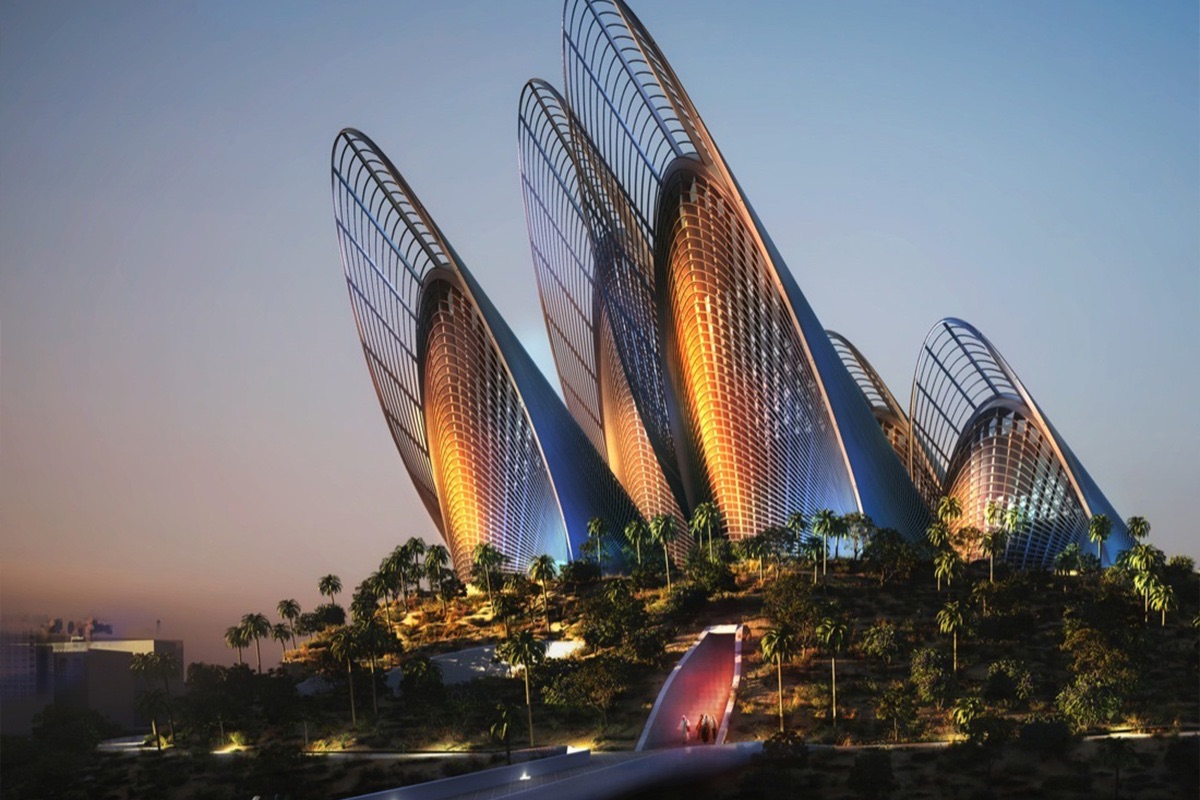
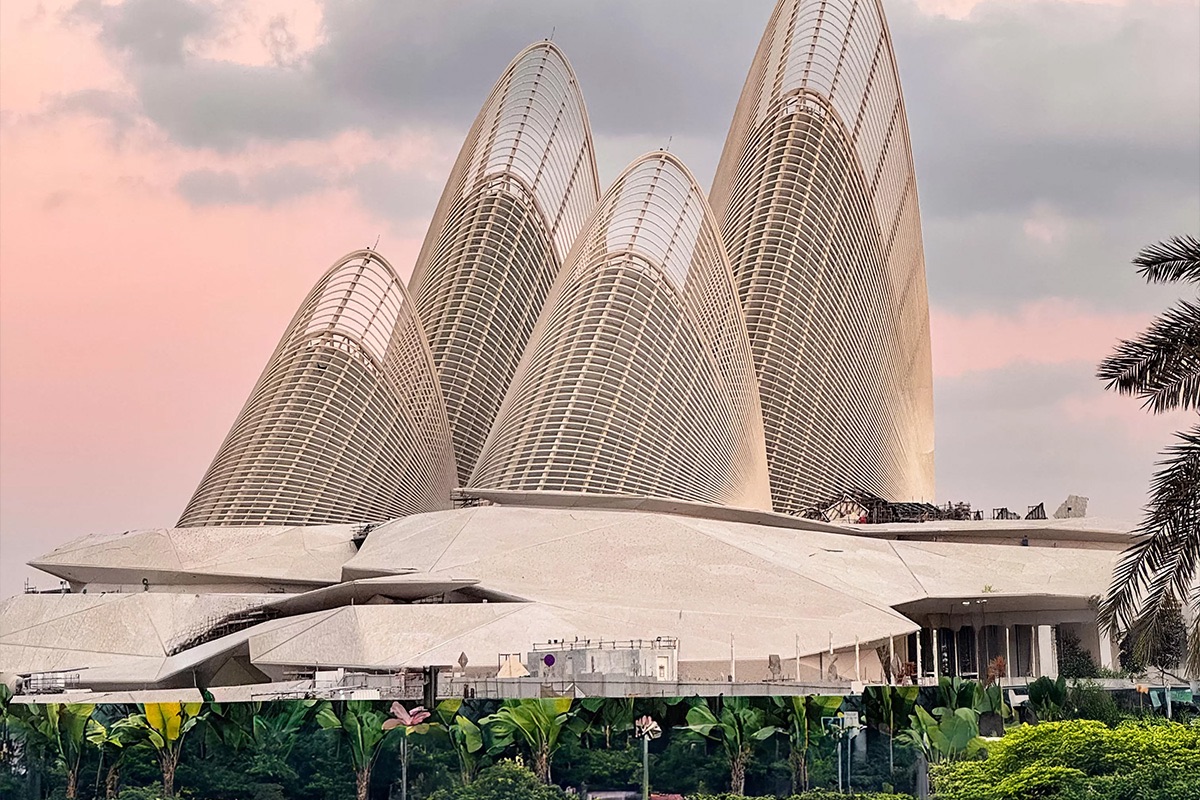
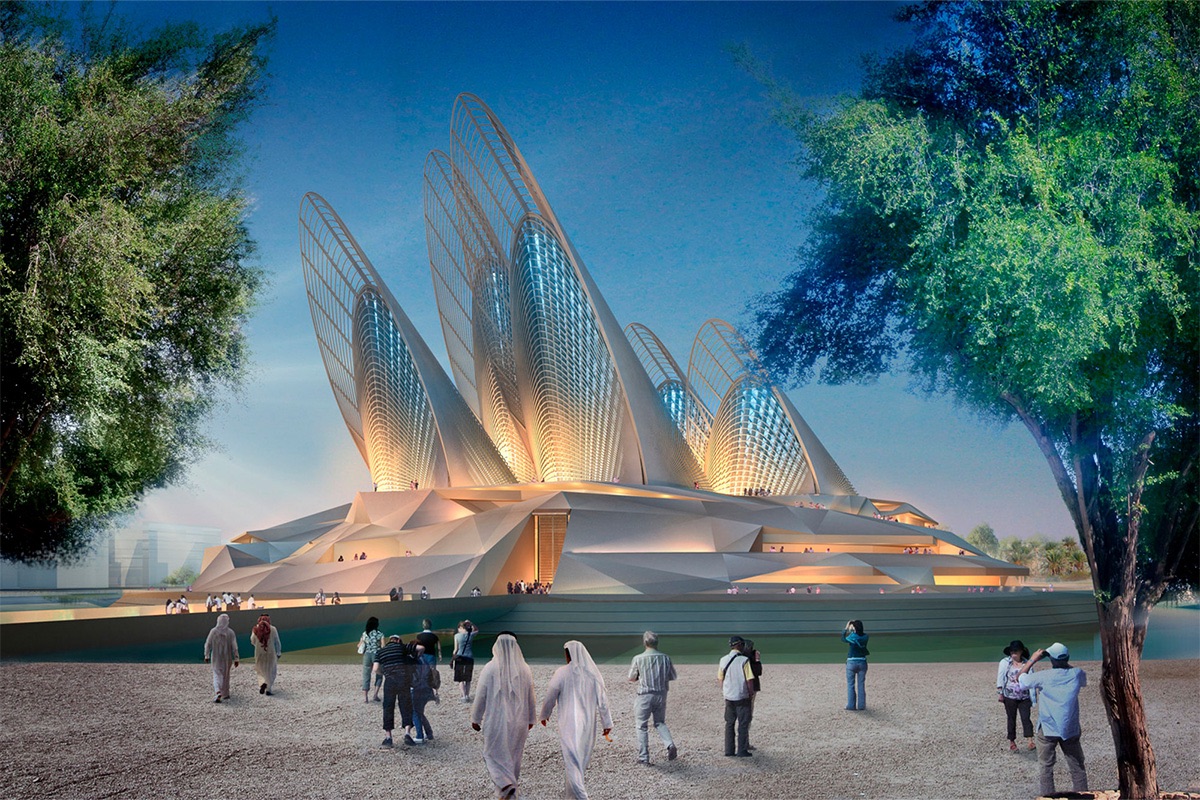
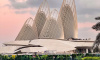
Designed by Foster + Partners, the building is defined by five soaring towers shaped like falcon wings. The reference is deeply cultural, tied to Sheikh Zayed’s love of falconry, but the towers are also highly functional. Acting as solar chimneys, they draw hot air upward and support natural ventilation throughout the museum’s subterranean volumes. Architecture and environmental performance are inseparable here—and that philosophy extended directly into the lighting strategy.
The Challenge: Light Without Disturbance
Lighting the Zayed National Museum was never about visual spectacle alone. The site sits less than 300 meters from the Arabian Gulf, exposed to salt-laden air, extreme heat, wind-blown sand, and strict environmental regulations, including night-sky protection. Any facade lighting solution had to endure these conditions for decades while remaining visually restrained and technically precise .
Claude Engle Lighting Consultants developed a lighting concept focused on revealing the sculptural form of the towers without glare, spill light, or visual noise. The goal was clarity, not brightness. Presence, not dominance.
Filix was selected to deliver the complete facade lighting solution, based on long-term experience in extreme environments and high-performance architectural applications.
Precision Tools for a Complex Form
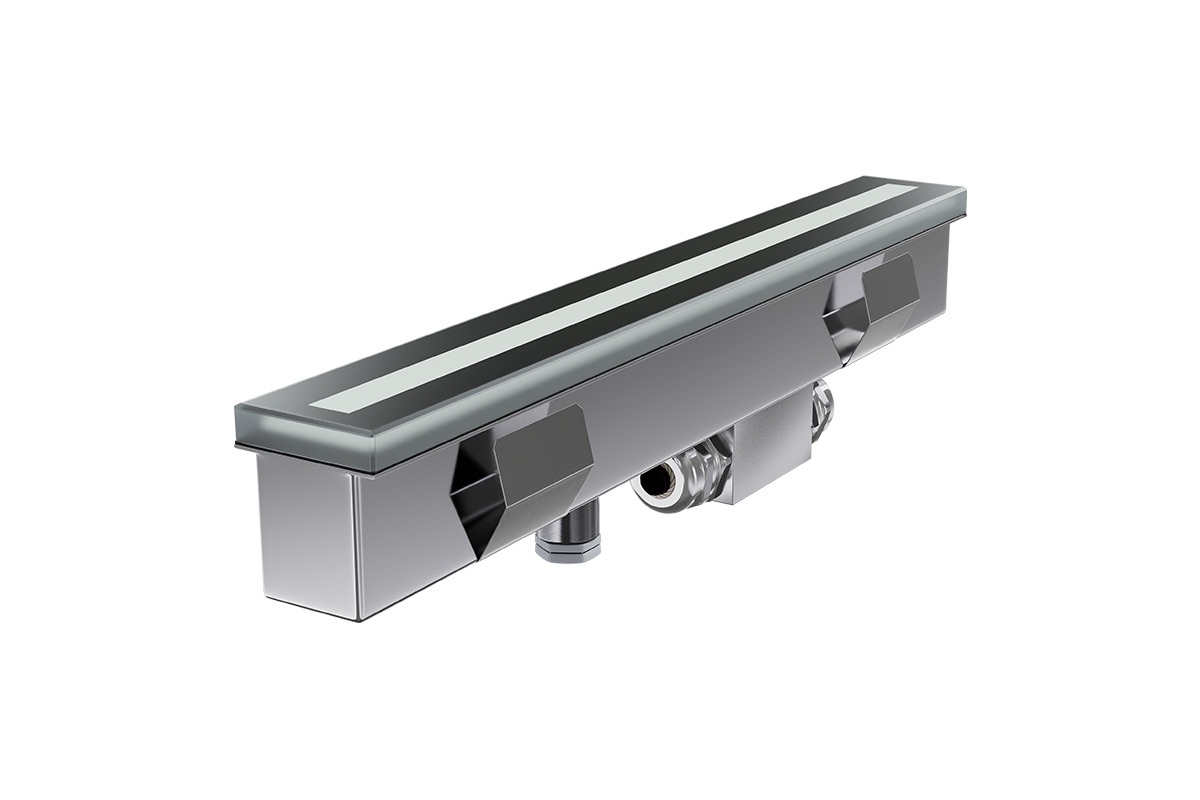
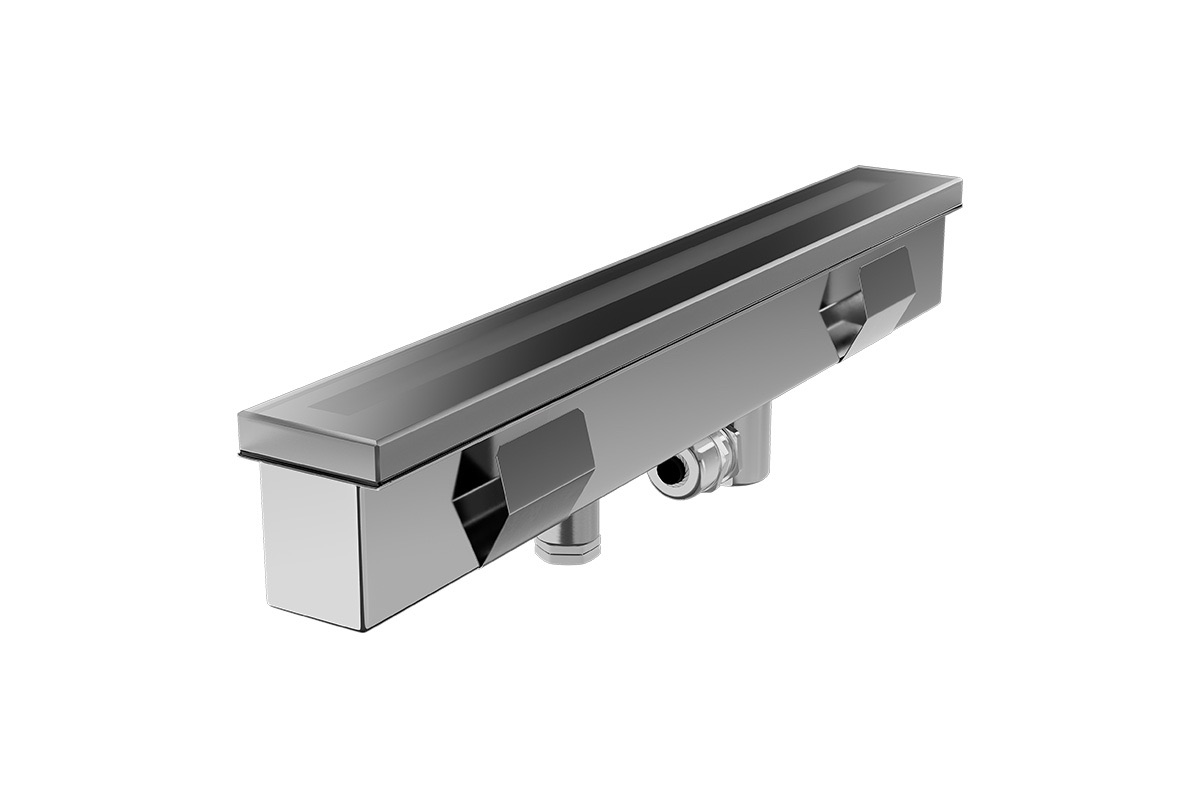
Two Filix luminaires played a central role in shaping the museum’s nighttime identity: Zero G and Eter.
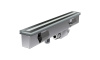
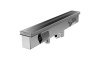
Zero G was custom-configured as a linear grazer to illuminate the curved vertical surfaces of the falcon-wing towers. With narrow asymmetric optics, the fixtures create sharp, continuous ribbons of light that follow the towers’ curvature without flattening their form. Integrated into custom stainless-steel channels, the luminaires remain invisible from ground level, allowing the architecture to speak without technical distraction .
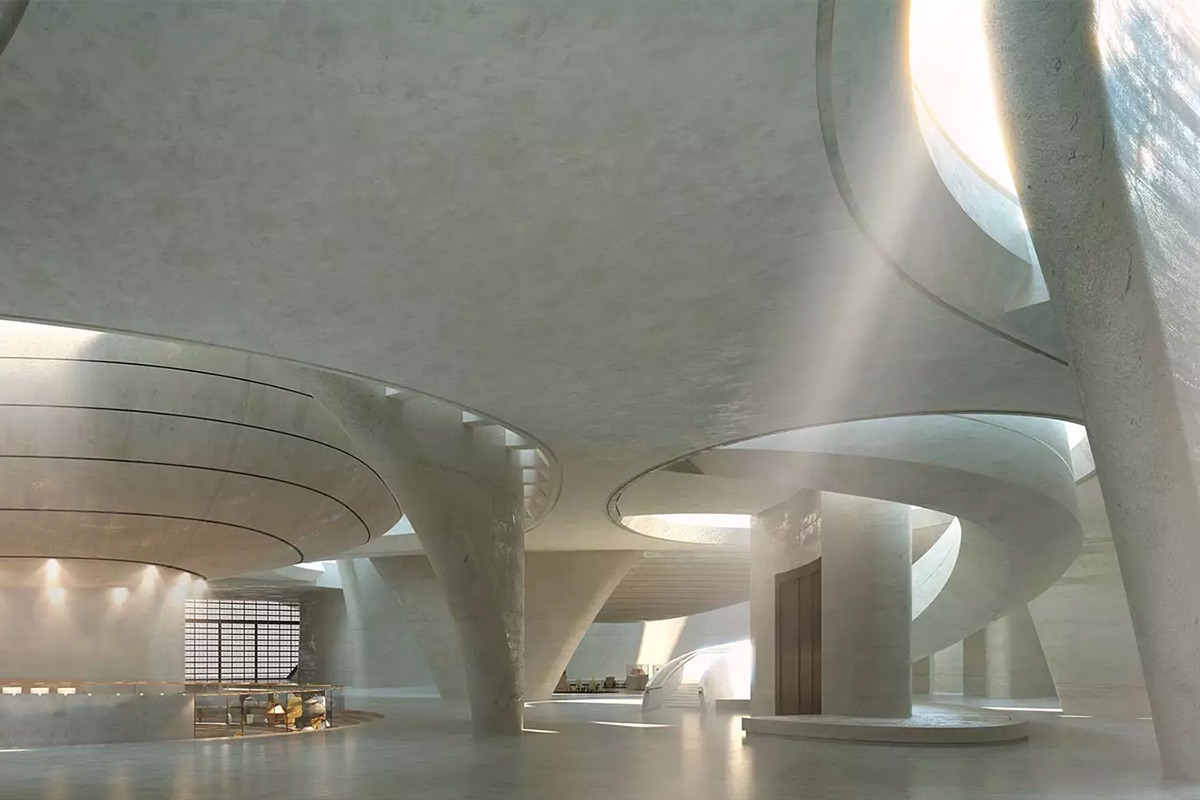
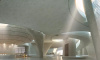
Eter, by contrast, was used in more recessed architectural zones. Its diffused wall-washing distribution provides uniform illumination across earth-toned rammed-earth surfaces, complementing the material palette rather than competing with it. Minimal presence was essential—both visually and mechanically.
Built for Time
Beyond optics, durability defined every engineering decision. All fixtures feature marine-grade AISI 316 stainless steel, IP67 ingress protection, and IK10 impact resistance. Dielectric separation prevents galvanic corrosion, while remote-housed power supplies reduce heat buildup and simplify long-term maintenance .
The result is a lighting system that performs quietly and consistentl, night after night, year after year.
A Landmark That Glows With Meaning
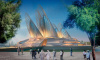
From across the Gulf, the towers appear as luminous fins, precise and calm, fully compliant with night-sky regulations and untouched by glare. More importantly, the lighting reinforces the museum’s narrative rather than rewriting it.
For Filix, the Zayed National Museum represents more than a prestigious project. It marks a clear evolution, from underwater lighting specialist to architectural lighting partner capable of supporting globally significant cultural landmarks.
Some projects demand attention. Others earn respect.
This one does both.
-
 10 August 2026
Engineering Confidence: The Story Behind Filix
-
01 August 2026
FILIX RDT200 Named Most Innovative Product
-