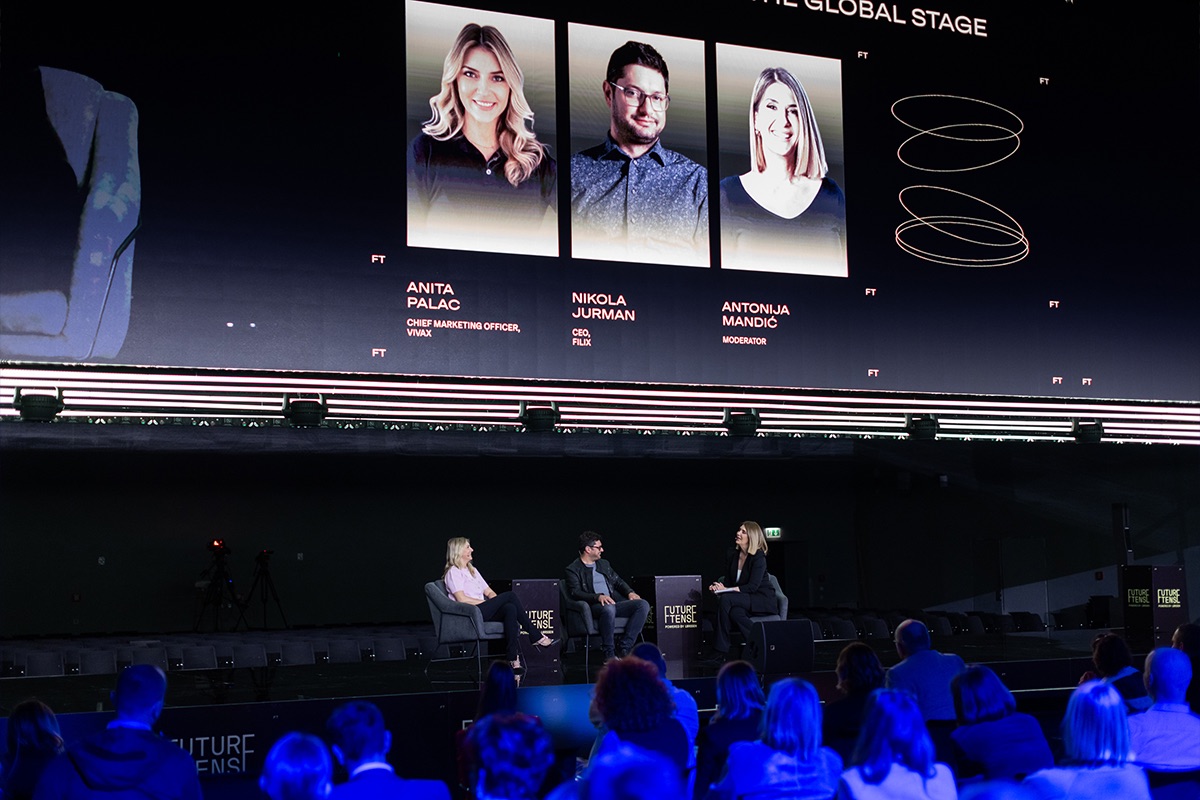
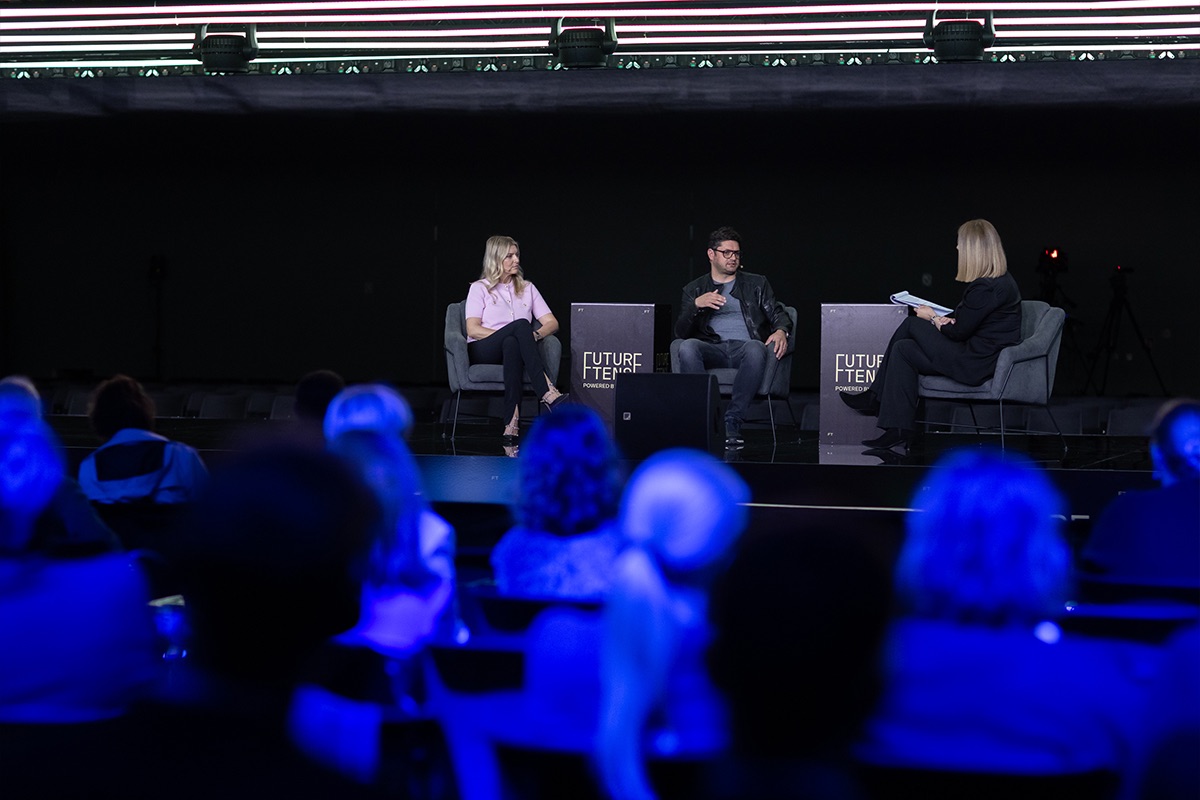
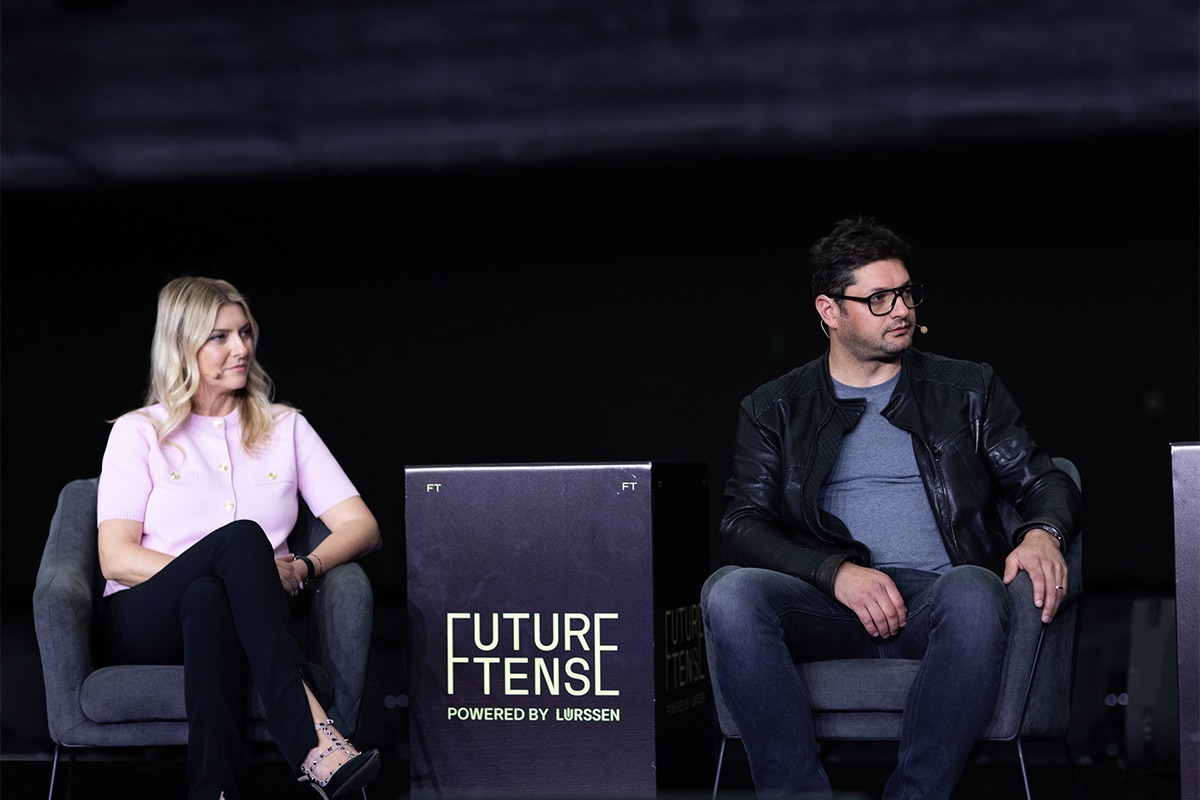



Future Tense 2026, Zagreb. Business Stage. Panel: Croatian Brands on the Global Stage.
Moderator Antonija Mandić set the tone from the start. Sharp questions, direct conversation, no space for vague answers. Filix CEO Nikola Jurman joined the stage alongside Anita Palac, CMO at Vivax, to talk about what building a Croatian brand on the global market actually requires.
Three questions that were asked.
1. Is Architectural and Underwater Lighting a Modern Artistic Niche? How Does Filix Compete?
Architectural and underwater lighting has been part of construction and design for decades. What has shifted is the role it plays.
Light defines how a space is experienced after dark. In landscape, urban and underwater applications, lighting carries a large part of the visual identity of the entire project. That places a different level of expectation on both the product and the manufacturer behind it.
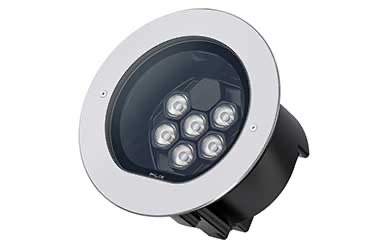
At Filix, every product is built around four criteria. Long-term durability in demanding environments. Stable performance over years. Minimal maintenance where access is limited. Technical precision that gives the designer full control over the result.
In underwater and in-ground applications these criteria become critical. Access is restricted and every intervention is complex. A product that holds its performance over time protects the project. One that falls short creates consequences that extend well beyond the fixture itself.
Filix competes through reliability, technical depth and close collaboration with lighting designers. The product range reflects that directly. Different beam angles for precise light distribution, multiple colour temperatures and control options, scalable output by project size, glare control for visual comfort and custom solutions for conditions where standard products are not enough.
Many projects require adaptation rather than standardisation. The ability to respond to specific architectural or environmental conditions is where Filix positions itself, and where it stays relevant across different markets and project types.
2. How Much Does Filix Use Robotics and AI in Production?
Production at Filix combines automation, precision engineering and human control.
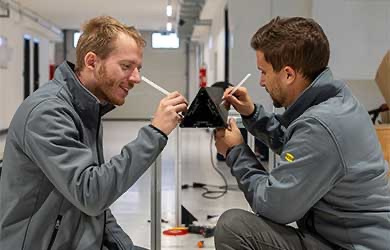
Robot-assisted processes handle the steps where accuracy and consistency are essential. Silicone sealing and glass mounting, where uniform application directly determines waterproof performance. Automated feeding of machining equipment for efficiency across repetitive operations. CNC machining for high-precision components.
Assembly and final quality control remain under human supervision. Every product goes through that layer before leaving the facility. Automation creates the efficiency. Human oversight holds the standard. Together they make consistent delivery possible at scale.
On the AI side, the direction goes beyond internal optimisation.
Filix sees the future in the integration of lighting and safety systems into a single intelligent layer within a project. A fixture becomes a point of data and interaction within the space, extending well beyond its role as a light source.
In practical terms this means fixtures equipped with sensors that track temperature, presence or gas levels, real-time reporting and alerts based on those inputs, remote control through simple interfaces including mobile apps, and systems that adapt lighting behaviour based on how the space is actually used.
The goal is to move from static setups to systems that respond to real conditions and deliver useful operational information. This is most relevant in public spaces, infrastructure, industrial zones and hospitality, where safety, maintenance and operational efficiency all converge.
AI connects lighting, sensing and communication into one functional layer. The value comes from the integration.
3. The USA and the Middle East: How Has the Geopolitical Situation Affected Business?
Filix operates in both regions and Nikola addressed them separately, because the dynamics are different.
In the Middle East, ongoing projects continue without direct disruption. The region operates on long-term development strategies backed by strong capital. Large projects in architecture, hospitality and infrastructure run over extended periods, which provides a level of continuity that absorbs short-term uncertainty.
What is visible is a shift in timing. Early-stage projects move more slowly, decision cycles lengthen and timelines adjust. Projects already in execution continue, because adjusting pace creates far fewer structural and financial challenges than stopping altogether. Once conditions stabilise, strong continued activity across sectors is the clear expectation.
In the United States the impact relates more to market conditions, supply chains and competitive dynamics. Demand in the high-end architectural segment remains stable, with consistent development across urban and landscape projects.
The approach in both regions follows the same logic. Strong local partnerships, flexibility in execution and alignment with client timelines. These are structural capabilities built into how Filix operates, present long before any uncertainty arrives.
Operating globally means staying consistent within markets over time. The product performs under real conditions or it falls short. The relationship holds through a slow quarter or it weakens. That is the actual measure.
Thank you to Future Tense powered by Lürssen for the platform and the invitation. Thank you to Antonija Mandić for moderating a conversation that stayed focused and grounded. And thank you to Anita Palac for the shared perspective on stage.
Global readiness is a standard built into how a company operates every single day.
-
 10 August 2026
Engineering Confidence: The Story Behind Filix
-
01 August 2026
FILIX RDT200 Named Most Innovative Product
-