
6 Months in the Adriatic. Zero Failures.
Every lighting specification sheet tells the same story. IP68 rated. Marine-grade stainless steel. Built to last. Real projects demand more than spec sheet promises. A resort pool on a Croatian coastline, a marina walkway lit from below, a luxury spa with a saltwater plunge pool — each one needs proof that the fixture holds up when saltwater and time push back.
Filix decided to provide that proof. They placed their Arpool underwater luminaires in the open Adriatic Sea for six full months, with real conditions and zero interference, and documented exactly what happened.
Here is what they found, and what it means for anyone specifying underwater lighting in marine or aquatic environments.
Why the Adriatic Was the Right Place to Do This
Choosing the Adriatic Sea as a test environment was deliberate. Among European bodies of water, this is one of the saltiest and warmest, pushing submerged materials harder than most marine environments worldwide.
The numbers tell the story. Adriatic salinity sits at 38 to 39 parts per thousand, well above the global ocean average of 35 ppt. Average water temperatures around 22°C, peaking higher in summer, accelerate biological activity and marine growth. Sediment-heavy zones reduce oxygen levels, creating conditions where corrosion under deposits becomes a real risk.
Fixtures were placed in open water and left to face natural tidal movement, seasonal algae blooms, and sediment accumulation. These are the conditions found at marine resorts, harbors, coastal hotels, and sea pools. A product that holds up here holds up where your project is.
What Was Tested
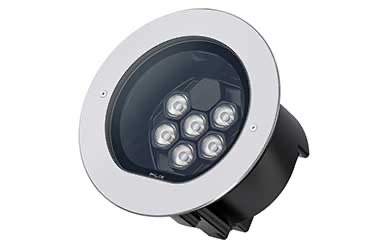
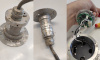
The full Arpool underwater luminaire family entered the water: Arpool L, Arpool Linear, Arpool S, Arpool M, and Arpool Coral. Five distinct products, all submerged simultaneously, all exposed to identical conditions over a six-month window.
The goal was straightforward: observe what happens when marine-grade underwater lighting meets a real marine environment on that environment's own terms.
The Results: What Six Months in Saltwater Actually Does
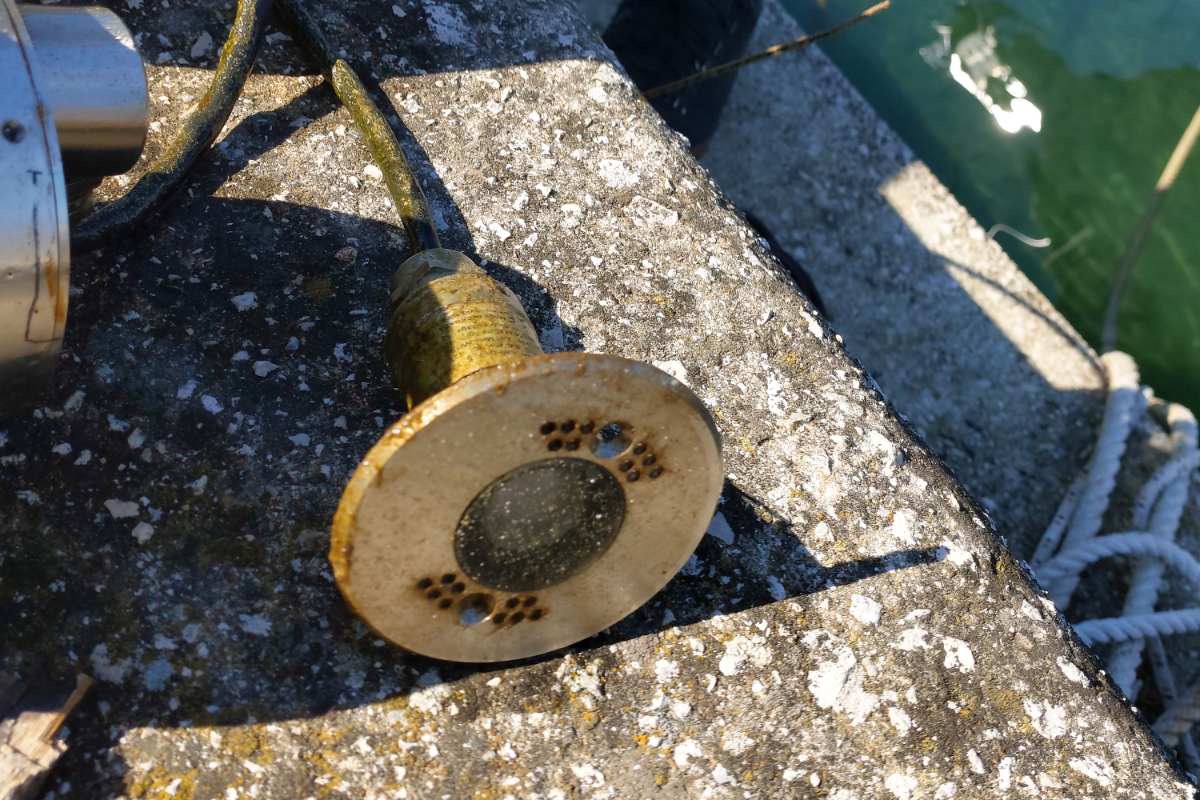
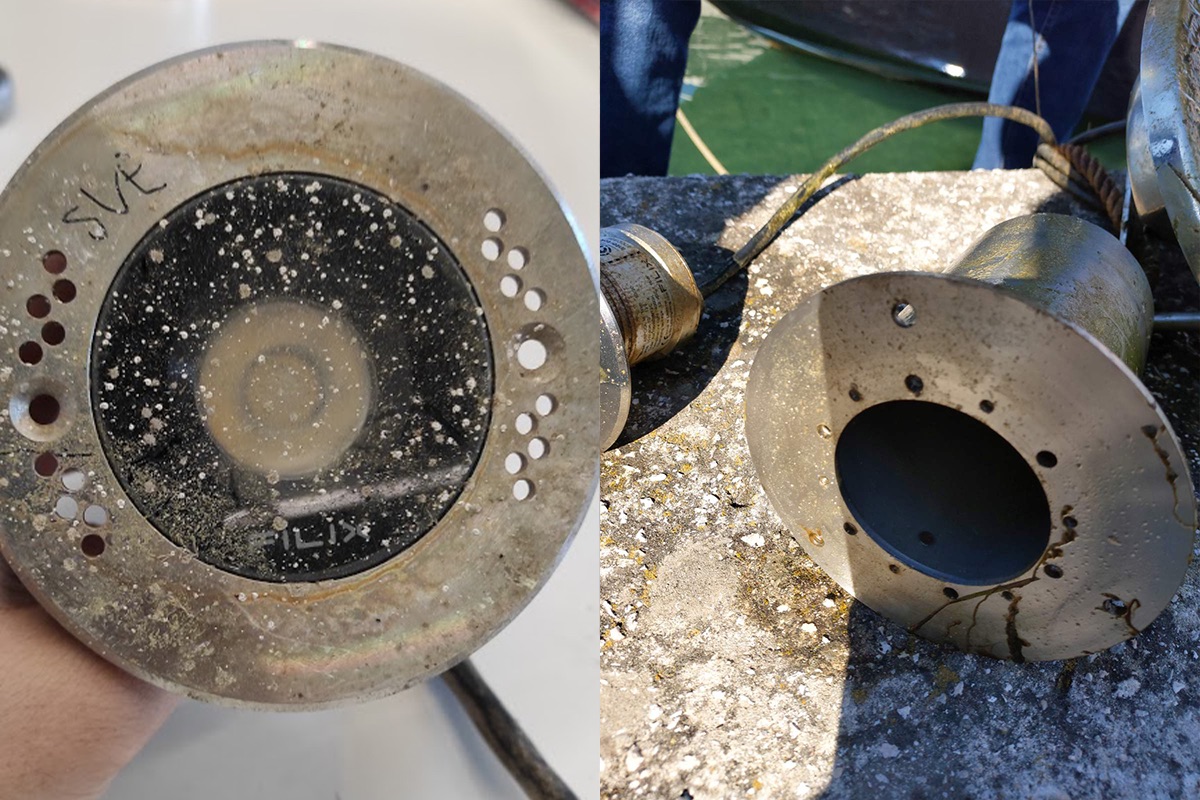
After six months, every fixture was retrieved and assessed. The headline result: 100% functionality maintained across all models. Full electrical and structural performance across the board.
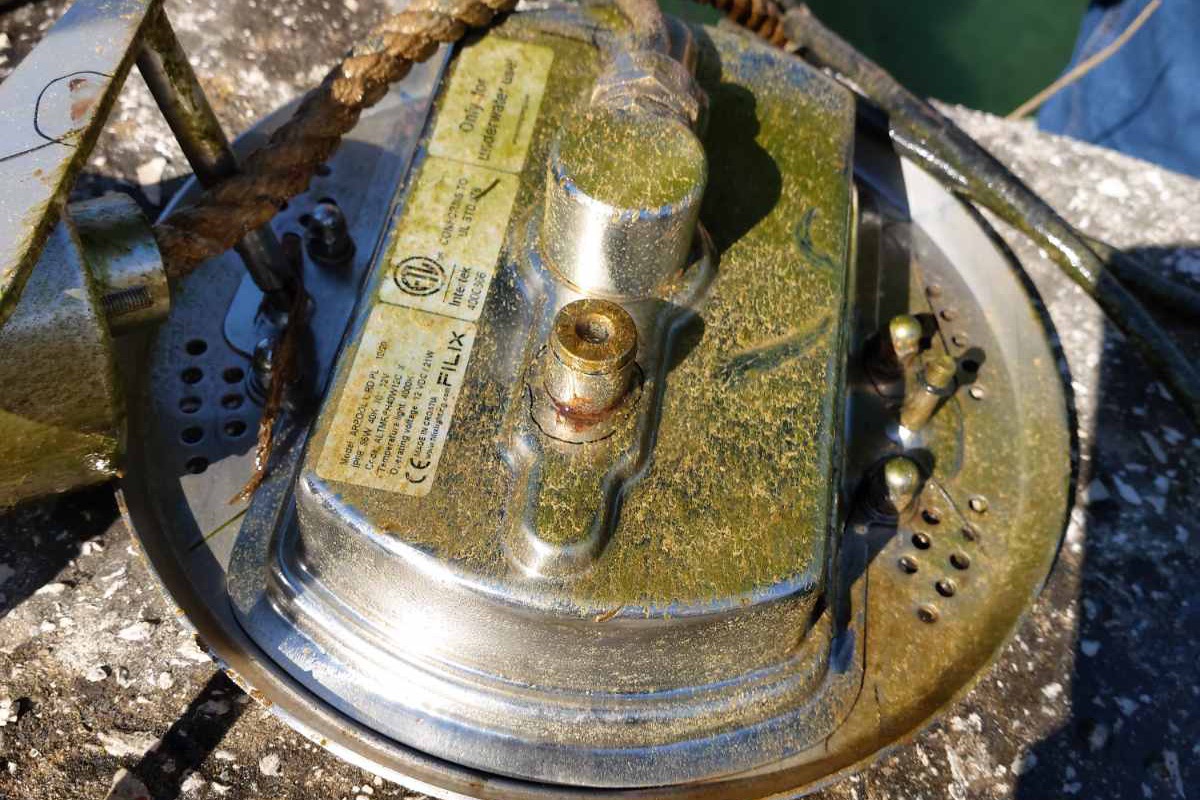
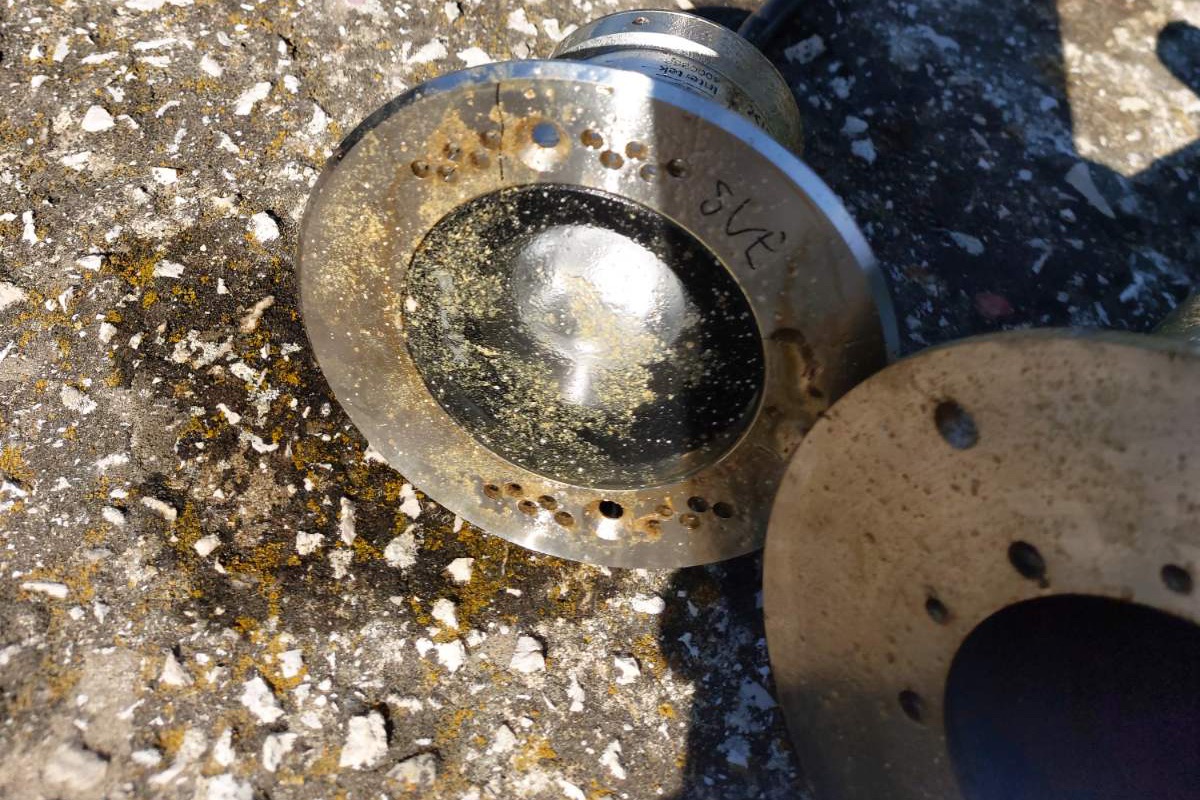
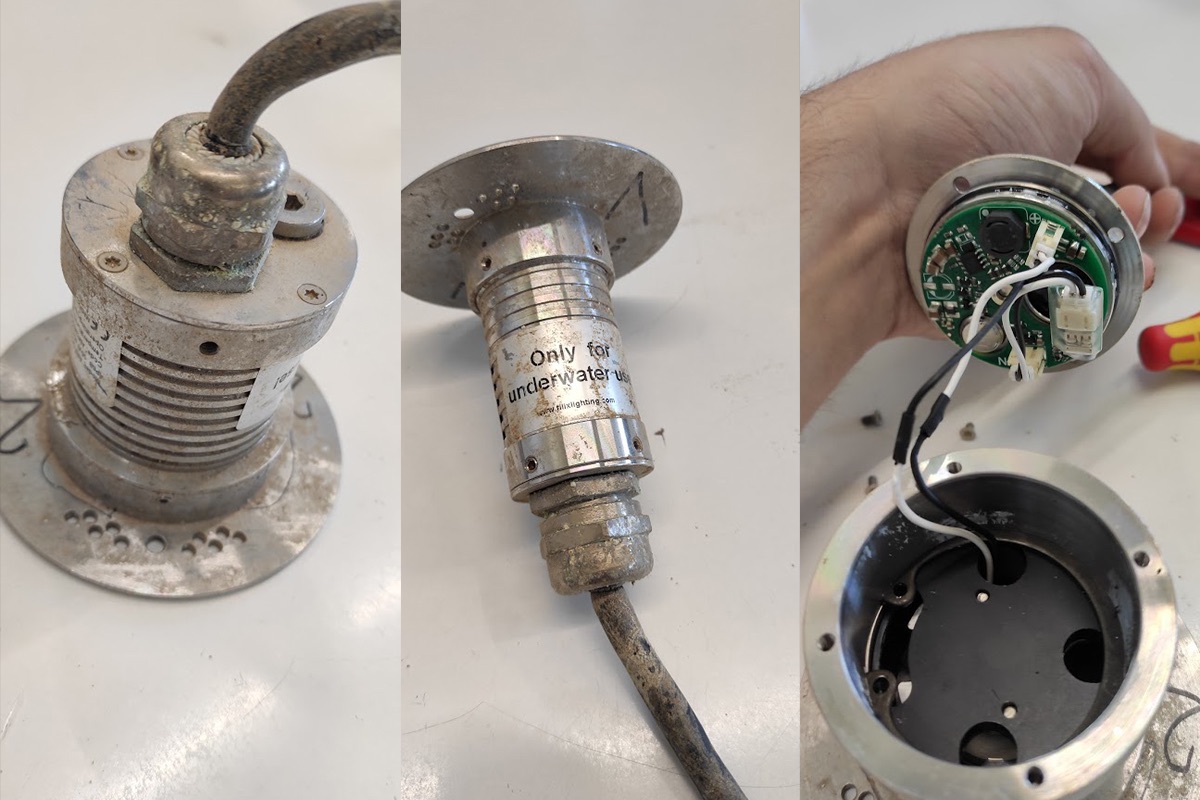
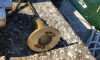
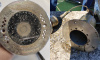
The specifics were equally encouraging. Sealed housings remained completely dry and secure throughout the test. Optics stayed intact and returned to full clarity after cleaning. Every unit came through without pitting, rust-through, or structural degradation. Surface sediment and marine biofilm had accumulated on the exterior of the fixtures — a natural consequence of prolonged submersion in living saltwater.
That last point deserves attention because it is where most conversations about marine-grade LED fixtures go off course. The fixtures looked weathered when retrieved. Covered in sediment and biological film, they showed clear signs of their environment. Once cleaned, they performed and appeared exactly as they had at the start of the test.
Visual appearance and structural integrity are two separate things. Appearance responds to the environment and to maintenance frequency. Integrity comes from engineering. After six months in the Adriatic, Arpool's integrity was untouched.
The Comparison Most Buyers Miss: Marine vs. Fresh Water
Here is where this case study delivers something unexpected. Most buyers assume seawater represents the hardest environment for a submerged fixture. The data tells a more nuanced story.
Four water environments were compared for their effect on metal surfaces.
Adriatic seawater is aggressive due to high salinity and sulfates, and its corrosive behavior is predictable and manageable with routine care. Irrigation and treated water is frequently overlooked, yet chlorides, fertilizers, and sulfates combine to attack stainless steel at levels that can exceed open seawater. Swimming pools present a specific challenge: chlorine and bromine combined with low pH create acidic films that cause discoloration and surface degradation in stainless steel over time. Freshwater is the least corrosive environment overall, though it still supports algae accumulation that creates surface issues when left unaddressed.
The practical implication for specifying underwater pool lighting in saltwater or sea environments is to evaluate fixtures against water chemistry, not water type alone. A fixture in a poorly maintained chlorinated pool can degrade faster than one in open sea. The Adriatic test results reinforce this directly, because the most chemically aggressive environment in the test produced zero failures.
Maintenance
The Arpool test confirmed that performance is engineered into the product. Long-term appearance depends on a different variable: maintenance.
Surface sediment and marine biofilm accumulate on every submerged surface, from ship hulls to dock pilings to precision underwater luminaires. Their presence reflects the environment. Their persistence reflects the maintenance schedule.
The guidelines for Arpool fixtures are straightforward. Rinse periodically with clean, fresh water to remove salt crystal buildup and biofilm before it hardens. Choose cleaners free of chlorides or hydrochloric acid, which attack the passive layer protecting stainless steel. Use soft cloths to preserve the surface finish and prevent micro-scratching. Clean on a regular schedule rather than reactively.
The yacht analogy from the case study holds up well in practice. A yacht in a marina gets rinsed daily. That daily rinse keeps it looking pristine year-round. The investment in the vessel creates the habit. Underwater lighting in high-value marine or aquatic environments deserves the same consistency.
Maintenance is the partnership between engineering and operation that keeps a premium installation performing at the level it was designed to deliver.
What This Means for Your Project
Three scenarios map directly to the Arpool findings.
Coastal resort or seaside hotel designers specifying fixtures for sea pools, beachfront installations, or dock lighting with limited serviceability windows can rely on marine-grade stainless steel with proper sealing to maintain full functionality in open-sea conditions. A simple rinse protocol built into the maintenance plan keeps the installation looking as good in year three as it did at opening.
Contractors replacing underperforming fixtures on existing projects will find the sealing data particularly relevant. The most common failure mode in marine underwater lighting begins with sealing compromise. Arpool housings remained dry across six months of uncontrolled sea exposure. That is the assurance a long-term replacement specification requires.
Lighting designers balancing aesthetics with durability for luxury saltwater pools or sea-access spas should weigh the comparison data carefully. Chlorinated pool environments can be harder on stainless steel than natural seawater. Selecting fixtures validated in conditions at least as aggressive as the installation environment, combined with a clear maintenance cadence, protects both the function and the visual quality of the project over time.
The Standard
The case study started with a straightforward question: what actually happens when these fixtures go into the sea?
Six months later, the answer was equally clear. Every unit worked. Every seal held. Every fixture cleaned up to day-one condition. The only change was cosmetic, and it was fully reversible.
Corrosion reflects how metals interact with their environment. The outcome that matters is whether that interaction stays on the surface or reaches the structure. For Arpool, after six months in one of Europe's most demanding marine environments, the structure came through intact.
Performance is built in. Appearance is maintained. With the right product and a consistent care routine, both are fully within reach.
If you are planning a project in a marine or aquatic environment, Filix has dedicated regional specialists across Europe, the UK, the US, and the Middle East ready to match the right Arpool model to your specific conditions. The best conversations happen before the specification is finalized.
What would it mean for your next project if the lighting specification was the one decision you never had to revisit?
-
 10 August 2026
Engineering Confidence: The Story Behind Filix
-
01 August 2026
FILIX RDT200 Named Most Innovative Product
-